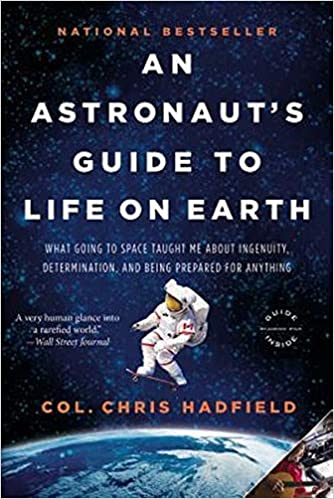
MISSION IMPOSSIBLE
THE WINDOWS OF A SPACESHIP casually frame miracles. Every 92 minutes, another
sunrise: a layer cake that starts with orange, then a thick wedge of blue,
then the richest, darkest icing decorated with stars. The secret patterns
of our planet are revealed: mountains bump up rudely from orderly
plains, forests are green gashes edged with snow, rivers glint in the
sunlight, twisting and turning like silvery worms. Continents splay
themselves out whole, surrounded by islands sprinkled across the sea
like delicate shards of shattered eggshells.
Floating in the airlock before my first spacewalk, I knew I was on the
verge of even rarer beauty. To drift outside, fully immersed in the
spectacle of the universe while holding onto a spaceship orbiting Earth
at 17,500 miles per hour—it was a moment I’d been dreaming of and
working toward most of my life. But poised on the edge of the sublime, I
faced a somewhat ridiculous dilemma: How best to get out there? The
hatch was small and circular, but with all my tools strapped to my chest
and a huge pack of oxygen tanks and electronics strapped onto my back,
I was square. Square astronaut, round hole.
₡50.00
THE TRIP TAKES A LIFETIME
ONE MORNING A STRANGE THOUGHT occurs to me shortly after waking: the socks I
am about to put on are the ones I’ll wear to leave Earth. That prospect
feels real yet surreal, the way a particularly vivid dream does. The
feeling intensifies at breakfast, when reporters jostle each other to get a
good photo, as though I’m a condemned man and this is my last meal.
Similarly, a little later on, when the technicians help me into my custommade spacesuit for pressure checks, the joviality feels forced. It’s the
moment of truth. The suit needs to function perfectly—it is what will
keep me alive and able to breathe if the spacecraft depressurizes in the
vacuum of space—because this isn’t a run-through.
Related products
-
Think and Grow Rich: The Original 1937 Unedited Edition – Napoleon Hill
₡50.00 GET THIS BOOK -
Millionaire Mindset Practical Workbook
₡50.00 GET THIS BOOK -
From Mindset to Legacy – Stephen Koranteng-Asare
₡100.00 GET THIS BOOK -
The 7 Habits of Highly Effective People: Powerful Lessons in Personal Change – Stephen R. Covey
₡50.00 GET THIS BOOK