While scientists have tried to understand the mind by means of objective,
third-person inquiry, contemplatives for millennia have explored the mind
by means of subjective, first-person inquiry. Such investigation into the
nature of the mind is meditation, and truly effective meditation is impossible without focused attention. The untrained mind oscillates between agitation and dullness, between restlessness and boredom. Thus the cultivation
of attentional stability has been a core element of the meditative traditions
throughout the centuries, producing a rich collection of techniques and
practices. This rich trove of traditional methods is an excellent place to
begin looking for ways to enhance attention.
In the Buddhist tradition, this discipline is known as shamatha (pronounced “sha-ma-ta”). Shamatha is a path of attentional development that
culminates in an attention that can be sustained effortlessly for hours on
end. The explosion of Buddhist teachings and teachers in the West has
brought with it myriad benefits to people suffering the ill effects of modern life—anxiety, consumerism, and a break-neck pace—along with the
age-old human problems of aging, illness, and death. Whether mindfulness
or zen sitting, cognitive approaches like mind training and koan study, or
chanting and devotional practices, a spectrum of Buddhist and Buddhist influenced techniques have been adopted widely in cultures that are not historically Buddhist. Remarkably, however, many contemplative traditions
today put very little emphasis on developing sustained attention. Some
modern teachers of Theravada Buddhism claim that only “momentary
shamatha” is needed for insight meditation, implying that sustained, focused
attention is unnecessary. The value of shamatha was recognized in early
Chinese Buddhism, but modern Zen does not teach methods specifically
designed to develop attentional balance in a sustained, rigorous way, distinct from its other practices.
₡50.00
We all know that our ability to focus depends on the amount of sleep we
get, the stress we’re under, and other factors. And the benefits of focused
attention are every bit as obvious as the detrimental effects of attention
disorders. Thus the absence of scientific knowledge about healing attentional disorders or developing attention is remarkable. Many scientists simply assume that the human mind is inherently unstable and that little can
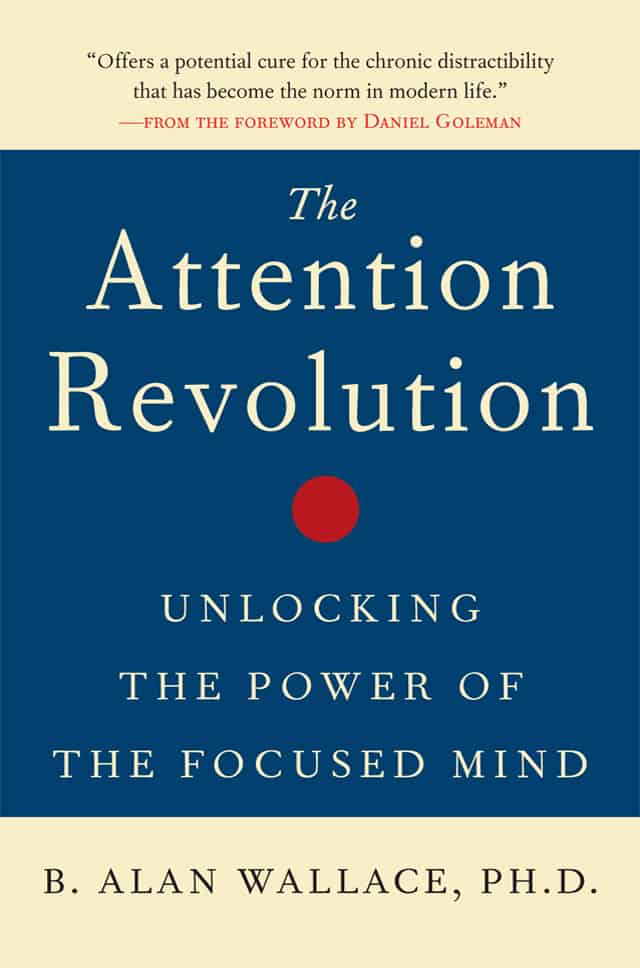
be done to change this. It is a central argument of this book that not only
can we improve our attention spans, we can do so dramatically